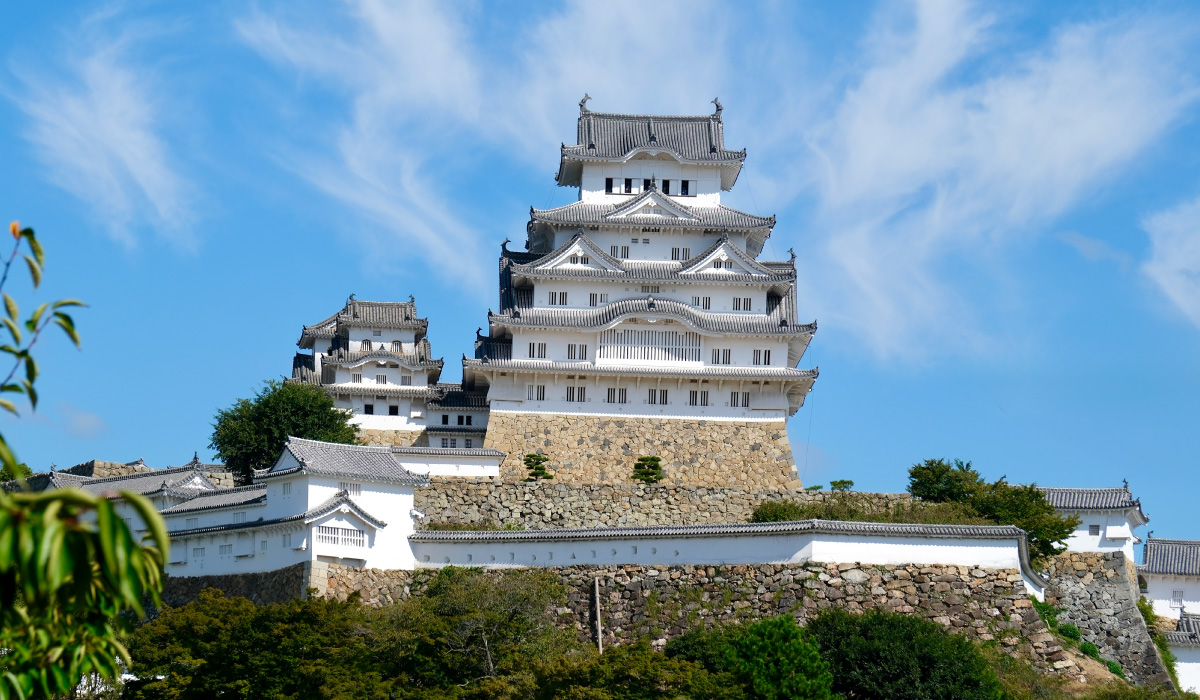
Kansai Castle Tours in Japan | 3-Day Central Japan Itinerary

KANSAI CASTLE TOURISM

3-Day Central Japan Itinerary: From Kyoto to Fukui’s Castle Towns and Temples

  • Nijo-jo Castle
    Nijo-jo Castle
  • Iga-Ueno
    Iga-Ueno
  • Iga-Ueno
    Iga-Ueno
  • Omihachiman
    Omihachiman
  • Eiheiji Temple
    Eiheiji Temple
  • Morning at Eiheiji Temple
    Morning at Eiheiji Temple
  • Lunch at Urushiya
    Lunch at Urushiya
  • Hikone Castle
    Hikone Castle

Kyoto Mie Shiga 3 Day Explore Castle Tour

Private Plan
From180,000JPY
Guide Services
English Guide
Depature
Kyoto station Hachijo-guchi Exit
Route of Journey
Kyoto - Nara - Mie - Shiga - Fukui

The Highlight

  • Explore five famous Japanese castles in Kansai area.
  • Visit Nijo-jo Castle, one of the World Heritage Sites.
  • Enjoy to see Ninja Show.
  • Entry to Eihei-ji Temple, traditional temple with a 770-year history.
BOOK NOW

From Kyoto to Fukui’s Castle Towns and Temples

Many visitors to Japan focus on the famous Golden Route—Tokyo, Kyoto, and Osaka—but few venture north toward the Sea of Japan, a lesser-explored yet equally scenic region rich in history and tradition.

This three-day Kyoto to Eiheiji itinerary follows Japan’s historical backbone through Iga-Ueno in Mie, Nagahama in Shiga, and Eiheiji Temple in Fukui, uncovering the deep connection between castles, merchant culture, and Zen Buddhism. This route offers travelers an authentic journey through the heart of Central Japan.

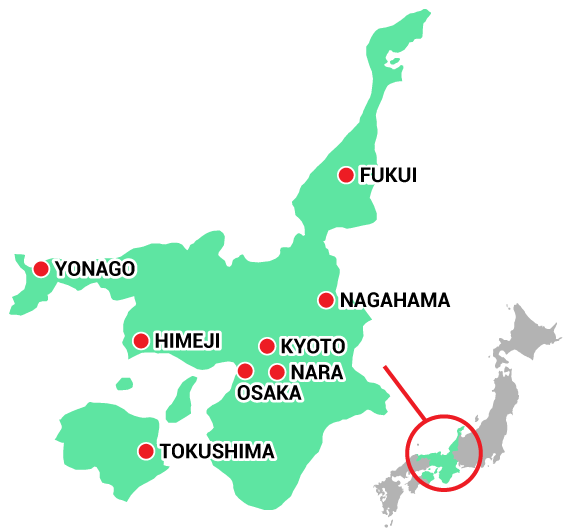
Kansai map

DAY 1

From Kyoto’s Nijo-jo Castle to Iga-Ueno’s Samurai Town

Nijo-jo CastleThe Power and Subtlety of Kyoto’s Shoguns

Kyoto City, Kyoto Prefecture

Our trip starts in Kyoto, the cultural heart of Japan, once home to emperors and samurai leaders.

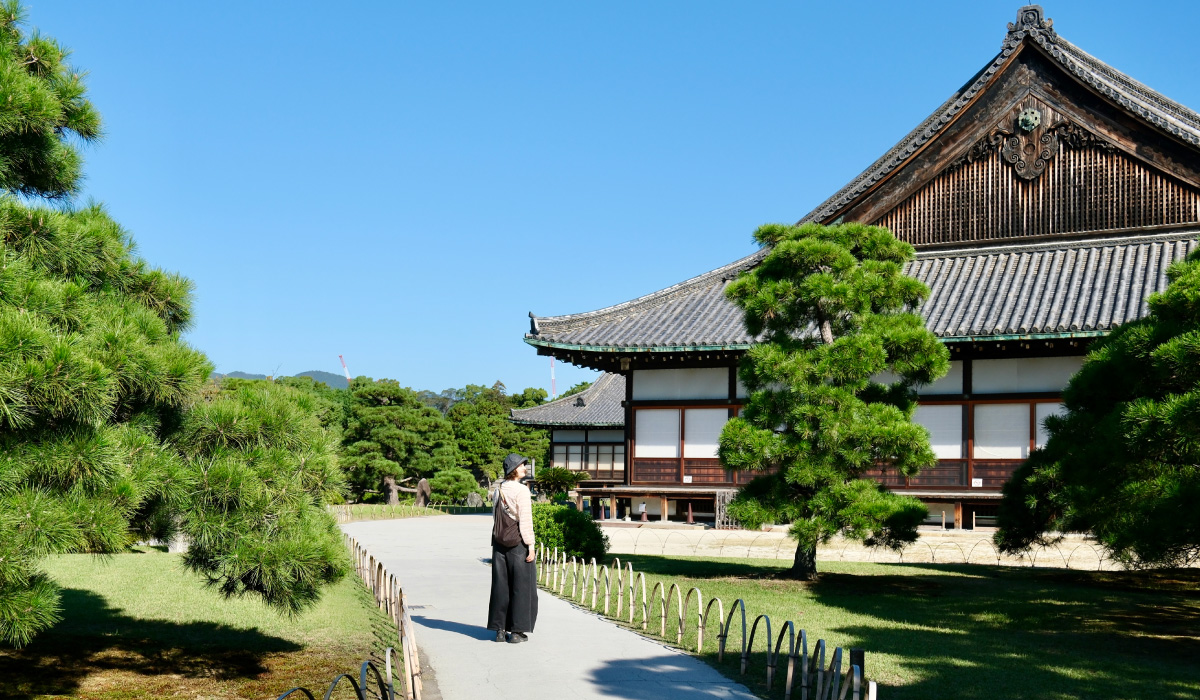
A short walk from Kyoto Station leads us to Nijo-jo Castle, one of the most beautiful examples of Edo-period architecture. Built in 1603 as the Kyoto residence of Tokugawa Ieyasu, founder of the shogunate, Nijo-jo Castle was never meant for defense—it was built to show power, not fight for it.

  • Nijo-jo Castle

Every element of its design conveys authority. The Tokugawa family crest, known as the Mitsuba Aoi, features three hollyhock (specifically wild ginger) leaves arranged in a circle. We find it repeated on roof tiles, gates, and fittings throughout the complex.

  • Nijo-jo Castle

Inside the Ninomaru Palace, gold-leaf screens and lacquered wood convey refinement and prestige, while the famous “nightingale floors” chirp softly underfoot—an elegant yet practical early security system.

Stepping outside, Ninomaru Garden offers a stunning blend of stone, water, and pine created by master designer Kobori Enshu. The garden perfectly balances architecture and nature, showing the refined sense of beauty of the Tokugawa era.

  • Nijo-jo Castle

After exploring Nijo-jo’s moats and peaceful grounds, we continue south to Naramachi in Nara, a beautifully preserved merchant district where wooden townhouses and narrow lanes capture the quiet rhythm of everyday Edo-era life.
Naramachi A Living Merchant Quarter

Nara City, Nara Prefecture

While Nara is best known for its grand temples and deer, Naramachi offers a quieter side of the city where tradition lives on. Once a merchant quarter during the Edo period, the district’s narrow alleys are lined with machiya townhouses featuring lattice façades and tiled roofs.

  • Naramachi

Many have been beautifully renovated into cafes, craft shops, and small museums, creating the perfect setting for a slow stroll.

  • Naramachi
  • Naramachi

At the center of the district stands Gango-ji Temple, one of Japan’s oldest Buddhist temples and part of the UNESCO World Heritage site “Historic Monuments of Ancient Nara.” Its wooden halls and ancient roof tiles—some of the oldest in Japan—reflect the city’s deep Buddhist roots and architectural legacy.

  • Naramachi

Beyond the temple, Nara’s quiet streets are lined with restored kominka (traditional wooden houses), sweet shops selling colorful konpeito candies, and peaceful tea salons that invite us to pause and unwind.

  • Naramachi

Iga-UenoThe Legacy of Samurai and Ninja

Iga Ueno City, Mie Prefecture

Heading east into the mountains, the journey leads us to Iga-Ueno, a quiet town in Mie Prefecture known as the birthplace of Iga-ryu ninjutsu—one of Japan’s most respected schools of ninja arts.

  • Iga-Ueno

The ninjas of Iga were not just the stuff of legend. They were skilled intelligence agents who served feudal lords during Japan’s Warring States period, mastering stealth, observation, and the art of blending into their surroundings.

  • Iga-Ueno
  • Iga-Ueno

At the Iga-ryu Ninja Museum, we step inside a reconstructed ninja house filled with clever defenses—revolving doors for quick escapes, hidden compartments for weapons, and trap panels that once deceived intruders. These small, practical inventions tell more about the ninjas’ way of thinking than any myth ever could.

  • Iga-Ueno

Next to the museum, you’ll find Iga-Ueno Castle, rising quietly over the town. When we visited, the faint sound of a flute rehearsal from a nearby school drifted through the air, giving the whole place an almost dreamlike stillness.

  • Iga-Ueno

Around the castle, some old kawara roof tiles still carry the image of a ninja, and traditional wooden buildings evoke the spirit of the old castle town.

  • Iga-Ueno

Small craft shops and family-run eateries line the narrow streets, each preserving a piece of Iga’s gentle, timeless charm.

Where to Stay in IgaNIPPONIA Castle Town Hotel

Iga Ueno City, Mie Prefecture

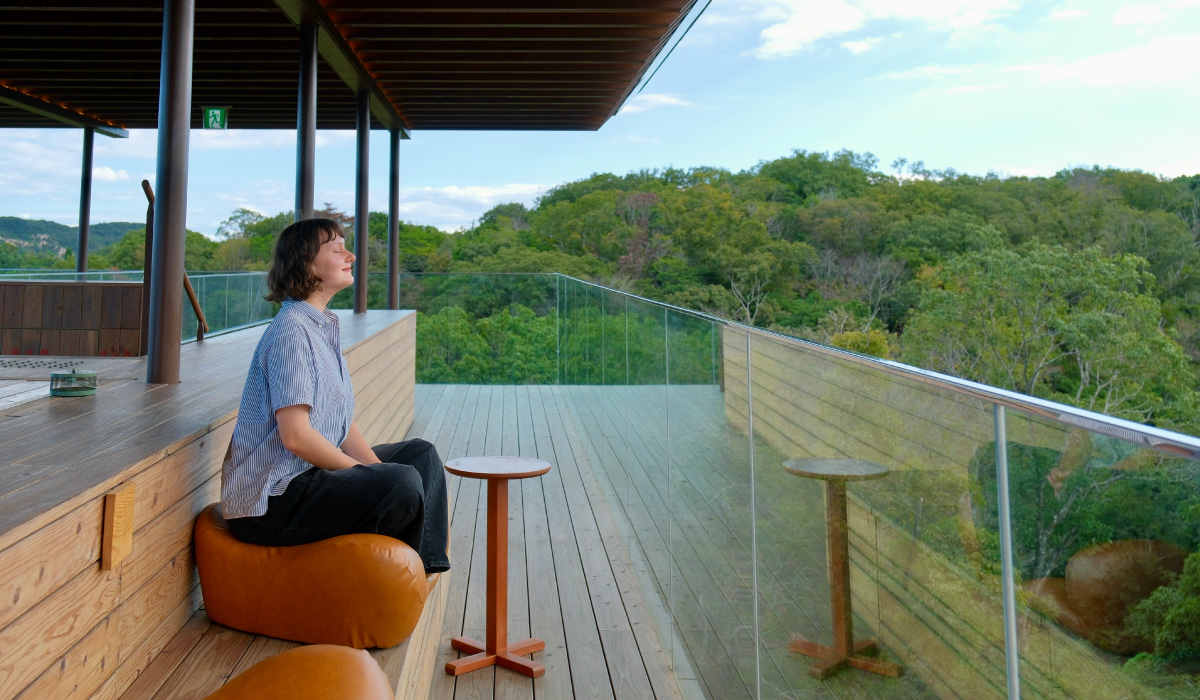
Staying overnight at NIPPONIA Iga-Ueno Castle Town Hotel ties the experience together. The hotel is situated in restored machiya townhouses that once belonged to merchants serving the castle, preserving original features such as beams, earthen walls, and courtyards.

  • NIPPONIA Castle Town Hotel
  • NIPPONIA Castle Town Hotel

Dinner here is another highlight: a multi-course meal prepared with locally sourced ingredients, including the prized Iga beef, a delicacy found only in this region.

  • NIPPONIA Castle Town Hotel

Spending a night here allows us not just to rest, but to feel how the town’s history, craftsmanship, and landscape all flow together in silence and depth.

DAY 2

Through Shiga to Eiheiji: The Heart of Zen in the Mountains of Fukuia

OmihachimanThe Merchant Town by the Canal

Omihachiman City, Shiga Prefecture

Morning begins with a drive northeast into Omihachiman, a picturesque town in Shiga Prefecture on the eastern shores of Lake Biwa.

  • Omihachiman

Once a prosperous hub for Omi merchants, the town thrived due to its strategic location and canal network, which connected it to Kyoto and the major trade routes. These waterways still define the landscape, reflecting willow trees and storehouses now turned into cafes and small museums.

  • Omihachiman

We experience the town’s slower rhythm on a canal boat ride, gliding quietly past willow trees and old storehouses.

  • Omihachiman

As the wooden vessel moves through narrow channels, enjoy rooftops lined with kawara tiles made from Lake Biwa clay—a craft now nearly lost since the clay can no longer be sourced. Their soft, weathered tones blend with the waterways and stone paths, reflecting the elegance that defines Shiga’s merchant heritage.

NagahamaA Castle Town on Lake Biwa

Nagahama City, Shiga Prefecture

After exploring the canals of Omihachiman, we continue north along the shores of Lake Biwa to Nagahama, a castle town that flourished under Toyotomi Hideyoshi, who rose from humble origins to unify Japan in the late 16th century.

  • Nagahama

Once a strategic port and merchant hub, Nagahama grew around the castle he built, blending the influences of samurai, artisans, and traders.

  • Nagahama

The town still carries that atmosphere today, with quiet streets lined by restored machiya townhouses and glimpses of the lake.

Lunch at Sennaritei DaidaiThe Flavor of Omi Beef

Nagahama City, Mie Prefecture

In the heart of the old town stands Sennaritei Daidai, a long-established restaurant renowned for Omi beef—one of Japan’s three great wagyu varieties alongside Kobe and Matsusaka.

Here, we enjoy sukiyaki, where thin slices of richly marbled beef are simmered in a sweet soy broth with seasonal vegetables and local rice. The flavor is so deep and beautifully balanced—tender and full of warmth.

  • Lunch at Sennaritei Daidai

After lunch, we walk to Nagahama Castle, originally built by Toyotomi Hideyoshi in the 1570s as his first stronghold. It was here that he began shaping the castle-town model that would later spread across Japan.

  • Lunch at Sennaritei Daidai

Although the current structure is a reconstruction, it stands on the same site overlooking Lake Biwa, offering sweeping views of the water and surrounding town. In spring, the castle park bursts into bloom with hundreds of cherry trees, making it one of the most beautiful spots in Shiga Prefecture.

  • Lunch at Sennaritei Daidai

By late afternoon, the road winds through the mountains toward Fukui Prefecture, where the journey takes a more spiritual turn.

EiheijiA Temple of Reflection

Eiheiji City, Fukui Prefecture

Leaving the castle towns of Shiga behind, we continue north into Fukui Prefecture and arrive in the quiet temple town surrounding Eiheiji, one of Japan’s most important Zen monasteries.

  • Eiheiji

Founded in 1244 by the monk Dogen, Eiheiji remains an active center of Zen practice, home to more than a hundred monks who follow centuries-old routines of meditation, study, and mindful labor.

Accommodation for the night is at Hakujukan, a serene inn designed for temple visitors.

  • Eiheiji

You are invited to join evening prayers or early morning zazen meditation, listening to the echo of bells and the sound of wind through the cedar forest.

  • Eiheiji
    Dinner is a highlight in its own quiet way: a shojin ryori meal, or Buddhist vegetarian cuisine, prepared with seasonal vegetables, mountain herbs, and tofu.
  • Eiheiji
    Each dish is arranged with care, reflecting the Zen principle that beauty lies in simplicity.

DAY 3

Castles and Mountains: From Eiheiji to Echizen and Hikone

Morning at Eiheiji Templen

Eiheiji City, Fukui Prefecture

Dawn at Eiheiji Temple is an unforgettable experience.
Those who wake early can join the monks for morning prayers—an hour of rhythmic chanting, bowing, and meditation that fills the cedar halls with quiet strength.

  • Morning at Eiheiji Templen

English booklets are available to help visitors follow the rituals, and a brief English explanation is provided before the ceremony, making it easy to understand the flow and meaning of the practice even for first-time participants.

When we visited in autumn, the air was cool and clear around the temple.

  • Morning at Eiheiji Templen

Locals told us that in winter, the scene transformed completely—heavy snow bent the branches of ancient cedars, and the temple roofs disappeared beneath a deep white silence. Even then, the monks continued their routines as they had for centuries, sweeping the paths and meditating in the cold mountain air.

After a simple vegetarian breakfast, we continue eastward toward the castle town of Echizen Ono.

Echizen OnoThe Castle in the Mist

Ono City, Fukui Prefecture

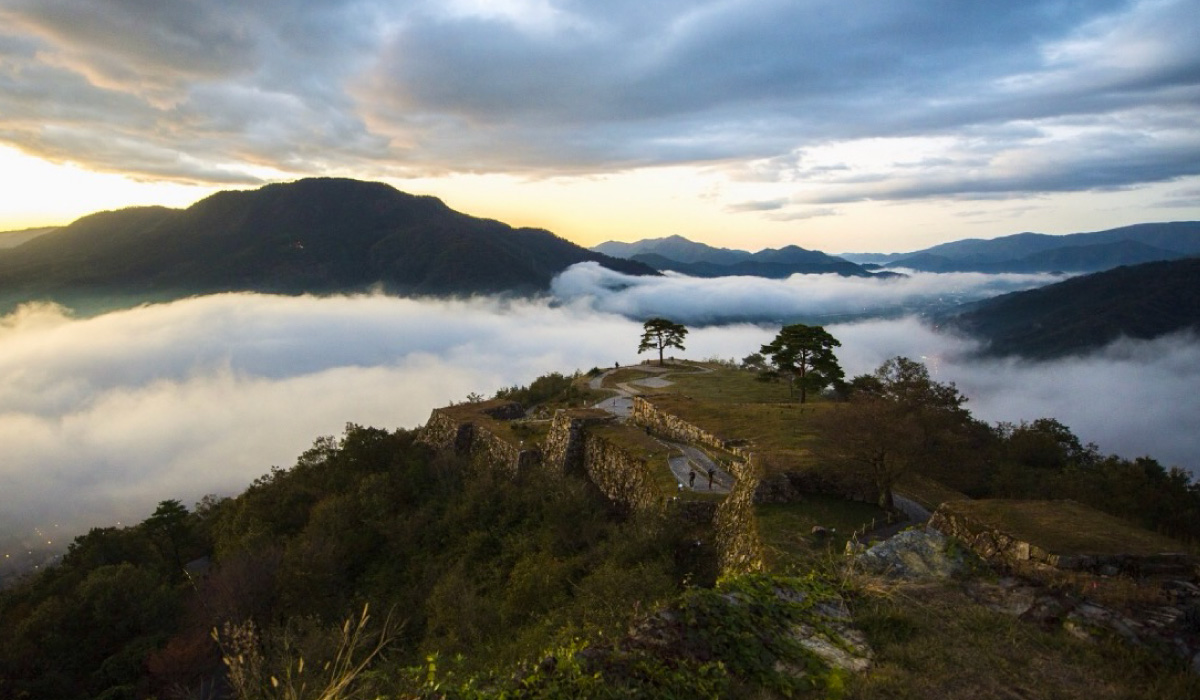
Surrounded by the mountains of Fukui Prefecture, Echizen Ono Castle stands atop Kameyama Hill, offering a commanding view of the town below. Built in 1580, the castle is often called the “Castle in the Mist” because, on certain mornings, it appears to float above a sea of clouds—an image reminiscent of Takeda Castle further west.

  • Echizen Ono

Inside, exhibits display samurai armor and attire from centuries past, offering a glimpse into the craftsmanship and spirit of Japan’s warrior culture. Down below, the castle town still carries the air of the Edo period, with narrow lanes, wooden townhouses, and small shops selling handmade goods that keep old traditions quietly alive.

  • Echizen Ono

Lunch at UrushiyaBeloved by the Emperor

Ono City, Fukui Prefecture

Lunch is served at Urushiya, a long-established restaurant in Echizen Ono known for its deep respect for local tradition.

  • Lunch at Urushiya

The specialty here is Echizen Oroshi Soba—buckwheat noodles topped with freshly grated daikon radish and a light soy-based broth. Unlike the richer soba found elsewhere, Echizen soba feels very refreshing and slightly sharp, its flavor shaped by the region’s pure mountain water and cool climate.

  • Lunch at Urushiya

It’s also said that Emperor Showa (Hirohito, 1901–1989), who reigned for over sixty years during Japan’s era of recovery and transformation, greatly enjoyed this dish during his visit to Fukui.

Hikone CastleGenkyuen Garden

Eiheiji City, Fukui Prefecture

Our final stop is Hikone, a peaceful castle town on the shores of Lake Biwa that still has its Edo-period charm. (Though its name sounds similar to the well-known hot spring town Hakone, this Hikone lies in Shiga Prefecture, a serene destination defined by history and water rather than volcanic peaks.)

  • Hikone Castle

Perched on a low hill, Hikone Castle is one of Japan’s few remaining original castles and is designated a national treasure. Its wooden stairways and white walls have stood for over 400 years, overlooking the lake that once connected the region to Kyoto.

  • Hikone Castle
  • Hikone Castle

Below the castle lies Genkyuen Garden, built in the 17th century for tea gatherings and moon viewing.

  • Hikone Castle

The garden is made up of small islands linked by arched bridges, once used by feudal lords to host tea ceremonies as they moved across the water. Like many gardens beside castles, it reflects the Japanese way of seeing nature not as something separate, but as something to live alongside and draw peace from.

  • Hikone Castle

Strolling through Genkyuen feels like walking inside a painting. The reflections of pine trees ripple softly in the water, and the castle towers above like a quiet guardian of time. As the day fades and our bus turns south toward Osaka, it feels as if the journey has come full circle.

In Conclusion

From the formal lines of Nijo-jo Castle to the nostalgic streets of Naramachi, from the legends of Iga’s ninja towns to the peaceful lakeside beauty of Hikone, each stop reveals a different side of Japan’s spirit—disciplined, thoughtful, and deeply human.

Here, the past isn’t locked away in museums. We can feel it in the air, in the sound of temple bells, and in the calm rhythm of daily life that still echoes through these old towns.

If you’d like to keep exploring, you can read my other itineraries—one that begins in Osaka, following stories of craft and coastal towns, and another that ends in Kyoto, tracing the gentle path of temples and gardens. Together, they form a larger circle through central Japan, a route that invites you to travel slowly and feel the country’s timeless heart.